Cabo de Gata Park Rules: Camping, Campervans, Dogs, Drones, Fires and the Sea
Cabo de Gata-Níjar is a protected natural park, and a handful of rules shape almost every visit: camping, and parking vehicles fitted as dwellings, outside tourist campsites and camping areas between sunset and sunrise is prohibited; lighting fires is prohibited in the park; flying drones for recreation is not allowed in the park; during the bathing season, from 1 June to 30 September, domestic animals may not enter bathing waters and bathing areas; and vehicles may not exceed 40 km/h on the park’s tracks unless signs say otherwise, and may not drive off the permitted tracks. At sea, spearfishing is completely prohibited and anchoring is restricted. The rules are enforced: by the end of August 2026 the Junta’s environmental agents had issued 98 reports for vehicles fitted as dwellings parked at night where not allowed and for camping with vehicles or tents. This guide sets out the rules by topic, where they come from and what they mean in practice.
Why the rules exist
Declared a natural park by Decree 314/1987 of 23 December, it was Andalusia’s first maritime-terrestrial natural park. The park has 37,500 ha of land and 12,012 ha of sea across the municipalities of Almería, Carboneras and Níjar. UNESCO declared it a Biosphere Reserve on 5 November 1997, the Cabo de Gata-Níjar Marine Reserve was established in 1995, and it has belonged to the European and Global Geoparks Network since 2006.
It is also under heavy pressure. The population peaks in summer at about 60,000 and is much lower the rest of the year, and the most famous beaches have no roads, only tracks through dunes and fragile volcanic ground. The park’s director says the rules ban parking, overnight stays or remaining with vehicles outside expressly designated areas, to avoid soil compaction, damage to dune plants, disturbance to wildlife and waste.
Where the rules come from
- On land and in the park’s inner waters: Decree 37/2008 of 5 February approved the park’s natural resources plan (PORN) and its use and management plan (PRUG). Most of the rules in this guide come from these two plans.
- At sea, in the marine reserve: the state order that regulates the marine reserve, Orden ARM/1744/2011, sets the rules on navigation, anchoring, fishing and diving.
- Each summer: the Junta de Andalucía sets the dates of the beach access regulation and a summer limit on groups of kayaks.
- Across Andalusia: free camping is prohibited throughout Andalusia; camping is allowed at licensed tourist campsites.
The rules at a glance
| Topic | Rule |
|---|---|
| Camping | Only at tourist campsites and camping areas |
| Campervans and motorhomes | No camping or overnight parking outside designated areas |
| Fires | Prohibited throughout the park |
| Drones | Recreational flying not allowed |
| Dogs | Not in bathing waters or bathing areas from 1 June to 30 September |
| Driving | Maximum 40 km/h on tracks unless signed; no off-road driving |
| Convoys | Four or more vehicles need prior permission |
| Quads | Prohibited for recreation |
| Dunes | Climbing the Los Escullos fossil dune prohibited; dunes fenced |
| Spearfishing | Completely prohibited |
| Anchoring | Not permitted in the marine reserve except in emergencies |
| Jet skis | Only at urban beaches, in buoyed zones |
| Kayaks | No more than 5 together along the coast in the summer period |
| Scuba diving | Permit needed; no night or shore dives |
Camping and overnight stays
This is the rule most visitors meet, and the one most often broken. The park’s rules prohibit camping, and parking vehicles fitted as dwellings, outside tourist campsites and camping areas between sunset and sunrise, and building shelters of any material.
In practice:
- Tents go only in a campsite or camping area. Níjar’s tourism directory lists three campsites in its part of the park: the Los Escullos complex, Camping Tau in San José and Camping La Caleta in Las Negras. Near Rodalquilar are the El Albardinal botanical garden, the El Bujo nature classroom and a camping area.
- Campervans and motorhomes may drive and park by day in the normal car parks, but not stay overnight there. The Junta reminds motorhome users to use only the car parks and areas specifically set up for them, such as the camper parks listed by Níjar at Los Albaricoques, Boca de los Frailes and Agua Amarga.
- A vehicle set up as a camp, with tables, awnings or wheel chocks, is also reported.
- At the beaches west of San José, a height barrier keeps caravans and motorhomes out at night, from 20:00 to 08:00; camping is prohibited.
Enforcement is real. In the seven years up to 2026 the Junta ran a special summer surveillance operation against overnight stays and camping between sunset and sunrise in non-designated areas, and against waste dumping. A report is usually filed when the owner ignores the agents’ warning, or in cases of special impact such as damaging vegetation or dumping waste. In 2026 the Níjar municipal tow truck also removed vehicles parked in prohibited areas. The camping journal article compares the campsites in detail.
Driving, parking and the summer access rules
- Vehicles may not exceed 40 km/h on the park’s tracks unless signs say otherwise, and on the track to Mónsul and Genoveses the speed limit is 20 km/h.
- Riding bikes, motor vehicles or horses off the permitted tracks is prohibited.
- Organised convoys of four or more vehicles need prior permission from the regional environment department.
- Riding quads for recreation is prohibited, and motor-vehicle races are prohibited on the park’s tracks, except on the district roads.
- Outside the summer regulation, access is free, but you must always park in the designated car parks.
In summer, motor access to the beaches west of San José is regulated. In 2026, motor access to the beaches west of San José (Genoveses, Barronal, Mónsul, Media Luna and Cala Carbón) was regulated from 20 June to 27 September; vehicles pay a single €6 fee, and the barrier closes at set hours or early when the car parks are full. Walking or cycling to the beaches is free. The €6 fee pays for access control, environmental information, cleaning beaches and tracks, portable toilets and watering the track. The getting there guide explains the shuttle and the alternatives.
Fires and barbecues
Lighting fires is prohibited in the park. That includes barbecues on the beach. The regional environment department also asks visitors not to throw away cigarettes or anything else that can start a fire; the dry scrub burns easily for most of the year.
Drones and other flying
Flying drones for recreation is not allowed in the park. The park plan goes further: recreational activities using helicopters, microlights, planes or any other motorised aircraft are prohibited, and parachuting is prohibited throughout the park, and hot-air balloons in its reserve zones. If you want aerial images, buy them; do not bring a drone.
Dogs
During the bathing season, from 1 June to 30 September, domestic animals may not enter bathing waters and bathing areas. Outside that period dogs may go on the beaches, under control. In summer the nearest dog-friendly beach is just outside the park: Del Perulejo beach in Mojácar is dog-friendly. For an overnight stay with a dog, pets are welcome at Camping Cabo de Gata, on the western side of the park.
Take water for your dog on every walk: there are almost no springs, and the ground gets very hot.
Beaches, dunes and paths
The park’s dunes and fossil dunes are among its most fragile features.
- Climbing the rock outcrops of the Los Escullos fossil dune is prohibited.
- The Junta is fencing off the Los Escullos fossil dune and the Mónsul dune and adding wooden steps and fences at Vela Blanca and Los Muertos to keep visitors on the paths.
- Stay on marked paths on the way down to the beaches and on the trails; the restoration work closes areas damaged by people walking off them.
- Take your rubbish home. Most beaches have no bins or services, and the department asks visitors to take their rubbish with them to the nearest bin.
At Los Muertos, current rules prohibit landing boat passengers directly on Los Muertos beach, so the only way onto the beach is the path from the car park.
At sea: navigation, anchoring and jet skis
The waters off Cabo de Gata are among the best protected in Spain, and the rules here are strict.
- Navigation is free, but inside the integral reserve zones boats must stay below ten knots. These zones include the waters around the Morrón de Genoveses and off Cabo de Gata itself, as well as Loma Pelada point, and in them only expressly permitted scientific work may take place.
- Anchoring is not permitted in the marine reserve except in emergencies. In the park’s marine strip, boats of more than 75 tonnes may not anchor, and smaller boats may anchor only in designated stable anchoring zones, except in bad weather. Anchors tear up the Posidonia meadows.
- Motorised watercraft are prohibited except at urban beaches, in zones buoyed for them. In other words, no jet skis along the wild coast.
- Snorkelling and swimming need no permission anywhere in the reserve.
Kayaks, canoes and paddleboards
Over the summer period of the beach regulation (in 2026, from 20 June to 27 September), kayaks, canoes and similar unpowered craft may not gather in groups of more than 5 along the park’s coast. Above that limit of 5 kayaks or canoes, permission from the regional delegation is needed. The aim, according to the park’s director, is to stop large groups of craft damaging coastal marine life and the landscape. The boat trips and kayaking guide explains what this means for outings.
Fishing and collecting
- Spearfishing and jigging are completely prohibited throughout the reserve.
- In the park’s inner waters all fishing is prohibited.
- Recreational fishing is allowed only from a boat, with a permit and outside the integral zones.
- Collecting or removing any organism, or part of one, living or dead, is prohibited in the reserve, and collecting marine organisms is prohibited in the park’s marine strip, with the narrow exceptions set by law. Leave shells, sea urchins and seagrass where they are.
Scuba diving
Scuba diving needs a permit from the Government Sub-delegation in Almería or the park offices, and night dives and dives from the shore are prohibited. Most visitors dive with a local business that holds the permits; Níjar’s tourism directory lists diving businesses at La Isleta del Moro.
Wildlife and the salt flats
- Do not disturb or feed the animals. The regional environment department asks visitors not to disturb or feed the animals.
- Watch birds from the hides. There are two bird-watching hides at the salt flats; bring binoculars, because they are set well back from the birds.
- Keep quiet. The department reminds visitors that noise is another form of pollution.
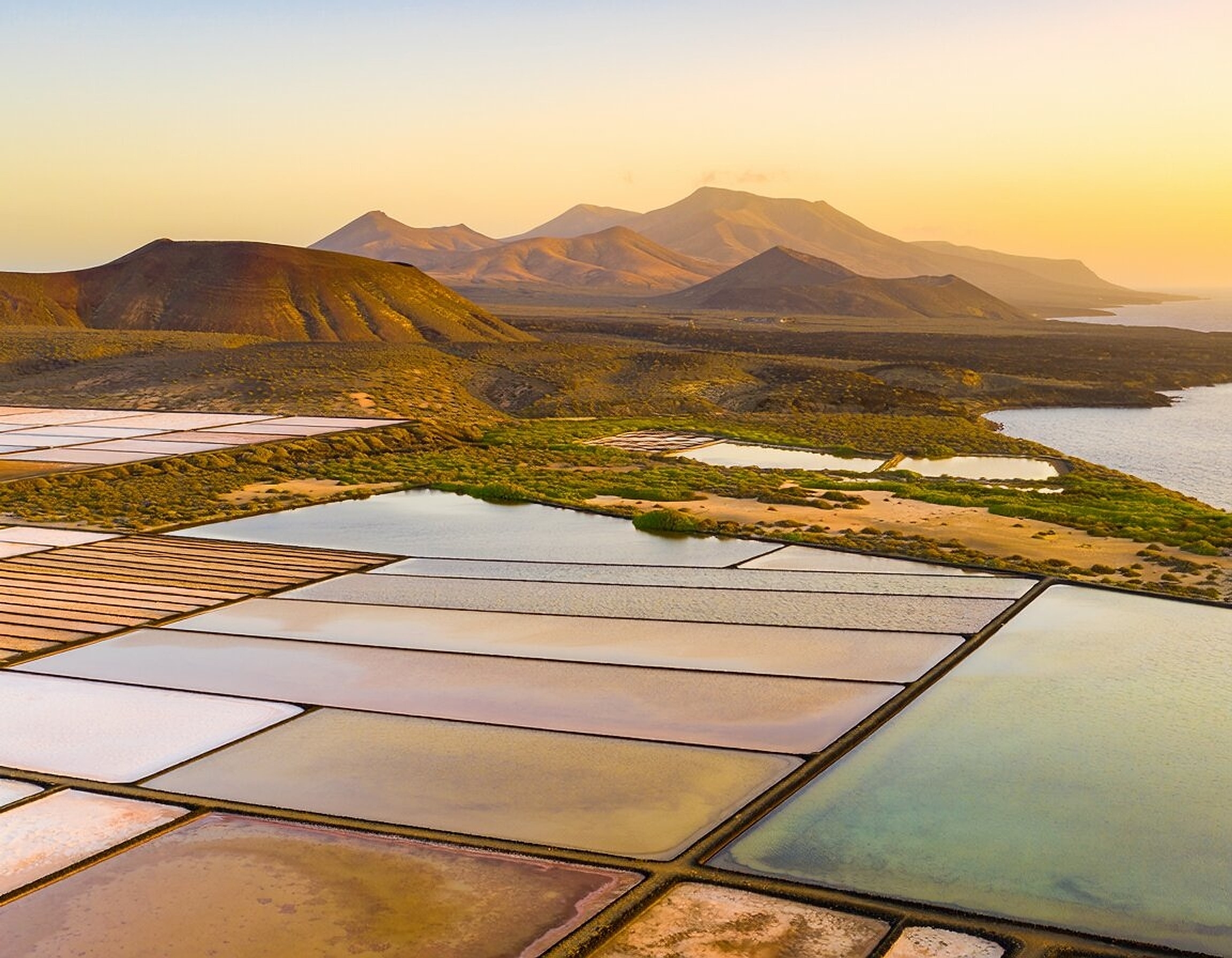
The salt flats are separated from the sea by a 400 m sand bar and are a Ramsar site, and more than 100 bird species have been recorded there. Restoration work at the salt flats is renewing the perimeter fence and bird hides and creating new islets for nesting birds.
Private land and farmhouses
Much of the park is private farmland, and many of the famous buildings are private or closed. The Cortijo del Fraile is currently awaiting restoration and should be seen from outside, and the department asks visitors to respect private property. Cala San Pedro is a cautionary example: the owner of the estate at Cala San Pedro had filed 230 complaints with the Guardia Civil since March 2008 over the failure to enforce the bans on camping, shelters, fires and parking.
The rules place by place
Some places have their own rules on top of the general ones.
- Genoveses, Mónsul and the coves west of San José: summer access regulation for vehicles, a speed limit of 20 km/h on the track, the night height barrier, and fenced dunes at Mónsul. There is nowhere to buy drinks at Mónsul; bring what you need, and take everything away again.
- Los Muertos: the beach is always reached on foot by a path; only the nearby car park is regulated, with fees in summer from 09:00 to 21:00. No boat landings on the beach.
- Cala San Pedro: reached only by boat or on foot. No camping, no shelters and no fires, and boats should not anchor close to the shore.
- Los Escullos: climbing the fossil dune is prohibited, and it is being fenced.
- The salt flats: watch from the two hides; the salt pans are still worked industrially, producing about 40,000 tonnes of salt a year, so stay out of the working areas.
- Rodalquilar and the mines: keep out of mine entrances and ruined buildings, and see the Cortijo del Fraile from outside.
Walking and cycling
Walking and cycling are the most welcome ways to move around the park, and in summer they are the only free way into the beaches west of San José. Cyclists must keep to permitted tracks: riding bikes off the permitted tracks is prohibited, as for motor vehicles and horses. A newer route for walkers and cyclists links Los Albaricoques, the Cortijo del Fraile and Rodalquilar. On foot, follow the waymarked trails described in the hiking guide, and carry everything you need, as there are almost no springs.
What happens if you break the rules
The park is patrolled by the Junta’s environmental agents, and in summer they run a special operation. Agents patrol the beaches, move on the caravans they find and close the beaches’ height barriers so they cannot come back. In the winter before the summer of 2026, agents and Níjar’s local police moved on motorhomes parked in sensitive coastal areas and temporarily closed car parks at El Playazo and La Isleta del Moro. A report is the usual result if you ignore a warning.
A quick checklist before you go
- Book a campsite or a camper park if you plan to stay overnight.
- Leave the drone and the barbecue at home.
- Check the summer access dates for Genoveses and Mónsul.
- Leave dogs out of the water and off bathing areas from 1 June to 30 September.
- Park only in the places provided, as the department asks.
- Book diving or kayaking with a business that knows the rules; see the tours page for what is available.
- Carry water, sun protection and your rubbish home. The best time to visit guide explains how the rules change through the year.
Frequently asked questions
Can you wild camp in Cabo de Gata?
No. Free camping is prohibited throughout Andalusia, and the park’s rules prohibit camping outside tourist campsites and camping areas.
Can I sleep in my campervan at the beach?
No. Parking vehicles fitted as dwellings outside campsites and camping areas between sunset and sunrise is prohibited, and in 2026 agents had already issued 98 reports by the end of August.
Are dogs allowed on Cabo de Gata beaches?
Not in bathing waters or bathing areas from 1 June to 30 September. Outside that period they are allowed.
Can I fly a drone in Cabo de Gata?
No. Flying drones for recreation is not allowed in the park.
Is spearfishing allowed?
No. Spearfishing is completely prohibited.